
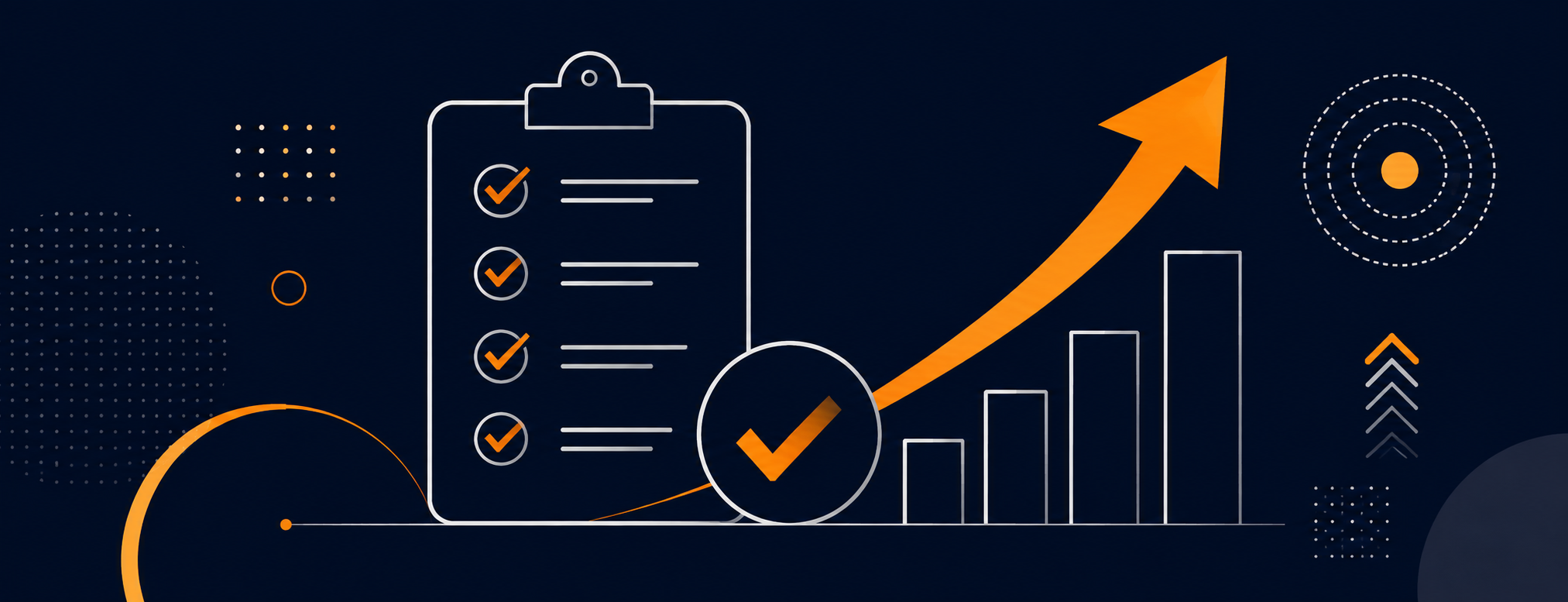
Before you put more budget into ads, the right question isn't “how much do I spend?” but “is the store ready to turn that traffic into profitable revenue?”. This is the checklist we run in every audit before touching a single campaign.
Start with the fundamentals
Sustainable growth comes from having every layer of the funnel dialed in at the same time, not from a single hack. A store with a great product but poor measurement is flying blind; one with perfect tracking but a weak product page is paying for traffic that never converts.
You can't optimize what you don't measure, and you can't scale what doesn't convert predictably.
Operator rule
If an item on this list fails, note it with an estimated impact (high / medium / low). You'll prioritize by impact, not by order of appearance.
1. Measurement & tracking
Without reliable data, everything else is just opinion. Here's what you need in place before you scale:
- GA4 set up with enhanced ecommerce events (view_item, add_to_cart, purchase).
- Meta CAPI active server-side and deduplicated against the browser pixel.
- UTMs consistent across every campaign, with a documented naming convention.
- Cookie consent that doesn't break tracking for users who do opt in.
If you want the full breakdown, we cover it in our guide to reliable tracking.
2. Conversion (CRO)
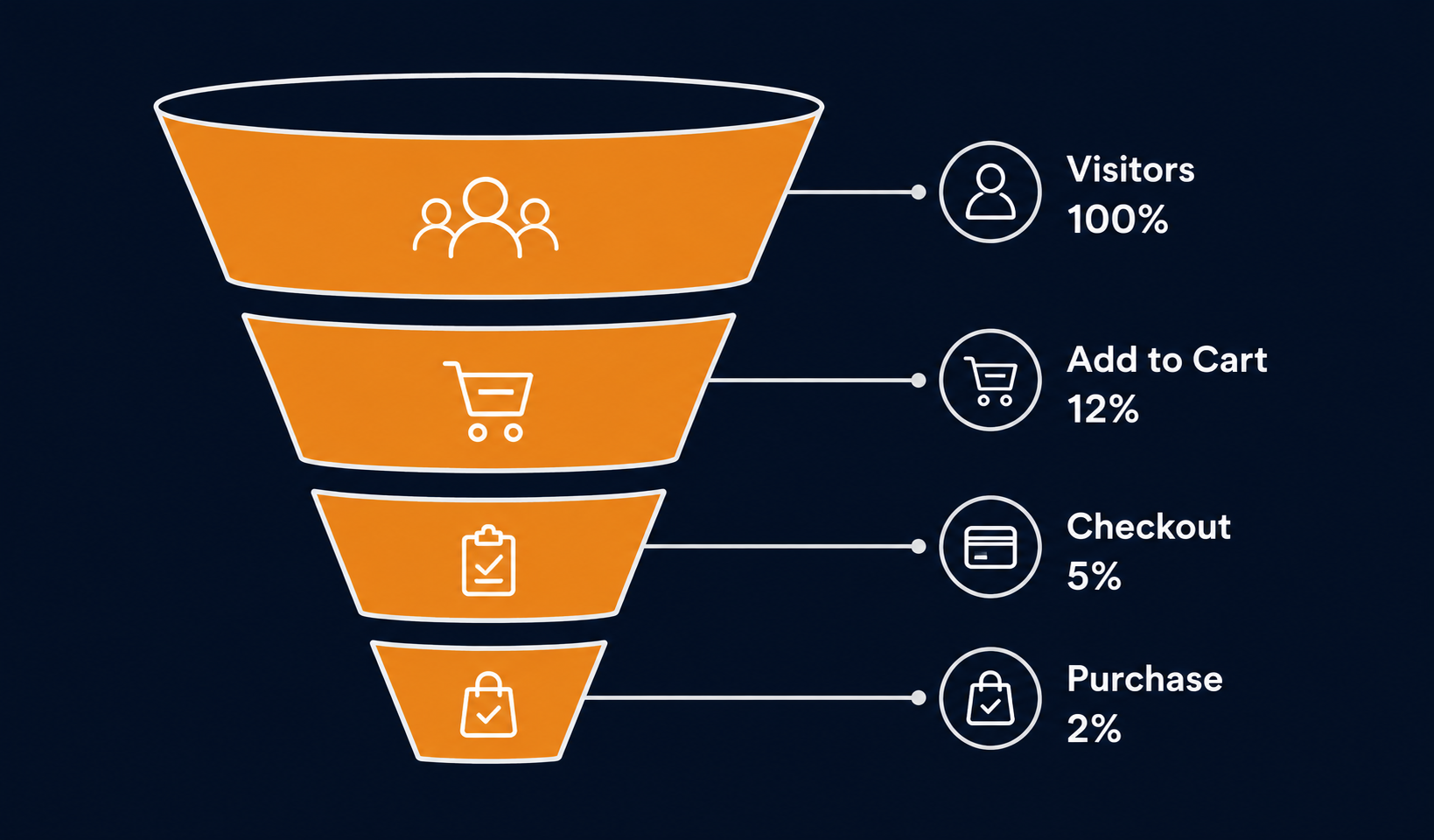
Once traffic is arriving and being measured properly, the goal is to convert it. Check these in order:
- Mobile load speed under 2.5s (LCP).
- Product pages with a clear value proposition, social proof, and visible shipping info.
- Frictionless checkout: express payment, no unnecessary fields.
- Abandoned cart recovery via email and SMS.
3. Retention & LTV
Acquisition is expensive; retention is where the margin lives. The second purchase is the earliest sign of a healthy brand.
Minimum viable flows
- Welcome flow with a first-purchase incentive.
- Post-purchase flow with follow-up and cross-sell.
- Win-back flow for customers inactive at 60 or 90 days.
4. Operations & data
The least glamorous part, and the one that breaks the most when you scale: inventory, logistics, and a dashboard that surfaces what matters without the noise.
How to prioritize
Go through the list, check off each item, and rank the failures by impact. Fix the fundamentals before you increase spend. Scaling on top of a broken foundation only amplifies the losses. If you'd like us to review it with you, book a growth call.

Juan Jüncter
Founder & Operator · ReadyCart
Founder of ReadyCart. Builds Shopify stores, runs Google and Meta spend, and sets up the measurement that makes every decision verifiable.
Work with ReadyCart


Get tactics like this every week
Practical content for Shopify brand owners who want to grow with strategy, not luck.